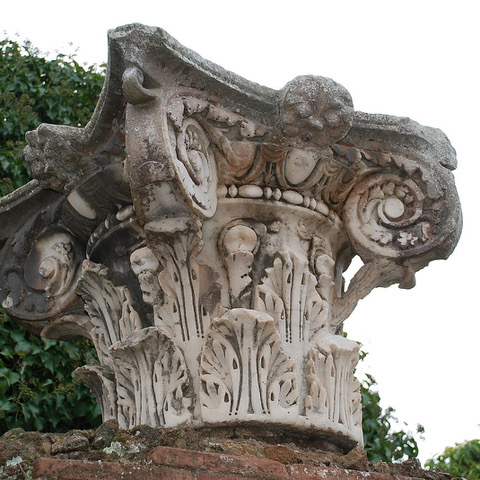

The Italian Renaissance was a time of rekindling the love for art influenced by different aspects of Roman and Greek culture. These unique designs have been incorporated into many Renaissance paintings throughout the era which helped to make the designs feel new and fresh. For example in The Annunciation, by Fra Angelico, you can see the many intricate details on the pillars holding up the archways. These pillars bare resemblance to a style of ancient roman columns called Composite. The room itself is called a loggia and is inspired by a similar overhanging seen on roman tabernas.
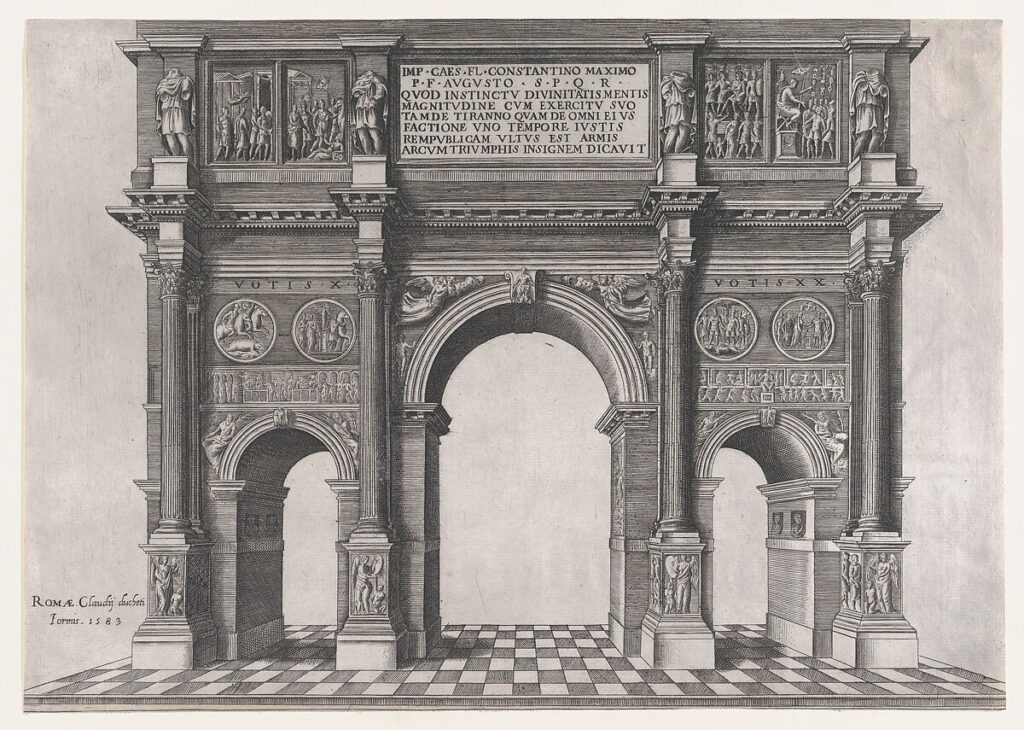
Another great example of this is Christ Giving the Keys of the Kingdom to St. Peter, by Perugino. While the main focus of this painting is the people in front if we take a closer look you can see just what things were taken from Roman Influence. Observe the two giant arched gateways framing either side of the piazza. They bare a strong likeness to the Arch of Constantine in Rome. That arch was built to commemorate the Roman emperor Constantine the Great who not only legalized Christianity but also founded the building that memorializes the burial site of St. Peter.
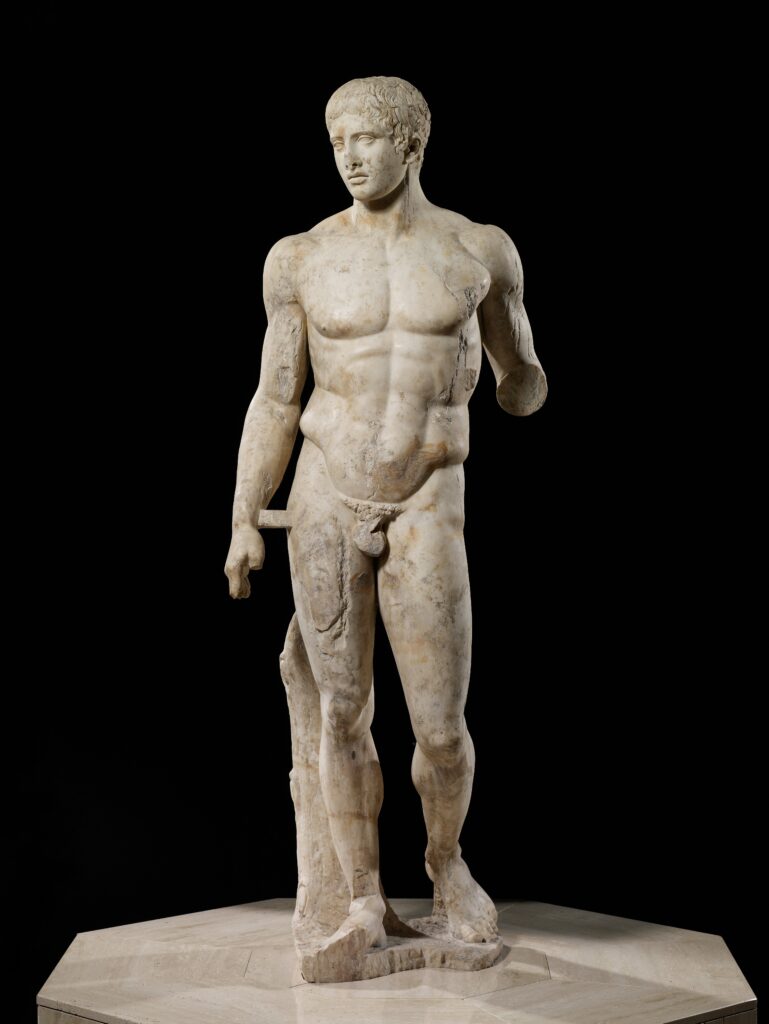
Allow your eyes to drift to the center of the painting, notice the huge temple like structure taking up most of the midground. This building is inspired by the Florence Baptistery which, back in Perugino’s time, was thought to have been some sort of Ancient Roman temple. Now take a look at the third apostle from St. Peter. See how he’s standing? This pose is called a contrapposto, or counter-pose, and comes from the Ancient Greek statue called Doryphoros. If you continue to look through the line of apostles you will notice that the groups of men hanging out at either end of the line are not apostles and wear different kinds of clothes. These men are dressed in both Roman and Florentine clothes. While it is unknown why Perugino chose to do this it is still another Roman influence in his painting.
Leave a Reply